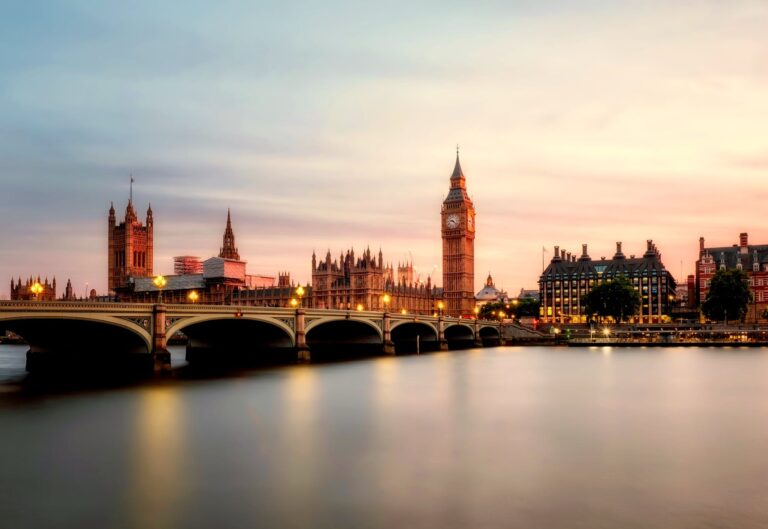


Edgar Allan Poe and The Horse You Came In On Saloon: A Haunted History
Baltimore is a city steeped in shadows, where cobblestone streets wind through neighborhoods haunted by whispers of the past. Among its spectral tales and chilling lore, one name looms large: Edgar Allan Poe.
The master of macabre spent his final days here in Baltimore, and his presence lingers like a ghostly echo, intertwining with the city’s eerie history.
Baltimore offers a tapestry of supernatural intrigue that feels as if it’s been lifted straight from Poe’s imagination.
At the epicenter of Baltimore’s paranormal lore is The Horse You Came In On Saloon, the only saloon in Maryland that (under different names) has served patrons alcohol before, during, and after the Prohibition. Established in 1775, the saloon has been named the most haunted restaurant in the state of Maryland by Food Network.
In this guest post, we’ll examine the link between Edgar Allan Poe and The Horse You Came In On Saloon, its ties to the author’s mysterious death, and why Poe’s ghost supposedly haunts it.

As always, this post may contain affiliate links, which means at no additional cost to you, shopping from them may generate small commissions to support the operations of this blog.
Whenever possible, I recommend buying books at local bookshops or through Bookshop.org, because shopping there puts the profits right into the hands of indie bookstores all over the country.
Edgar Allan Poe’s Death and The Horse You Came In On Saloon
Baltimore legend has it that “The Horse,” as locals call it, was the last place Edgar Allan Poe visited before his death.
The cause of the death of Edgar Allan Poe remains a mystery to this day. Numerous theories have been floated, from syphilis to delirium to heart disease to carbon monoxide poisoning to rabies.
Here’s what we know:
In September 1849, the famed poet set out from Richmond, Virginia, to New York, where he was to meet his fiancée, Elmira Royster Shelton, his childhood sweetheart to whom he had recently proposed. On the way, he disembarked in Baltimore, where he intended, after a short stop, to take the train further north to Philadelphia and finally New York.
On October 3rd, though, Edgar was found incoherent and disheveled outside a local tavern, believed to be The Horse You Came In On Saloon. It was out of character for him – he was found wearing ill-fitting clothes that clearly did not belong to him, in “great distress” and “in dire need of assistance,” in the words of John Walker, who found him in that state.

Poe was unable to explain how and why he ended up as such. His whereabouts and activities in the few days prior to this are unknown; nobody had seen him in the days leading up to the event.
Good Samaritans immediately took him to Washington Medical College for treatment. Unfortunately, though, Poe didn’t make it. On his deathbed, he repeatedly whispered a name – “Reynolds” – but nobody knew to whom he was referring or what this Reynolds had done to him (or what his connection to Reynolds was in the first place).
Adding to the mystery, all of the records relating to Poe’s death have been lost. However, reports state that, according to the attending physician, the poet’s last words were, “Lord help my poor soul.”
Related: The Edgar Allan Poe house and museum in Baltimore is one of the most iconic travel destinations for Halloween. During the month of October, they host an international Poe festival and special death day bus tours.
So how did Edgar Allan Poe die?
Although Edgar Allan Poe’s death certificate has been lost, newspapers at the time reported the cause of his death as cerebral inflammation and congestion of the brain. These were sometimes used as euphemisms for deaths caused by alcoholism and other overdoses.
While some medical researchers opine that carbon monoxide poisoning, rabies, or heart disease may have caused his death, some biographers believe that he may have died of murder – poisoned due to a financial or romantic dispute.
A more realistic explanation may be that Poe did indeed die from a poisoning – alcohol poisoning. But was the poet really a raging alcoholic? J.E. Snodgrass, the doctor who examined Poe at the saloon, believed that Poe had been drinking heavily and succumbed to delirium caused by an excessive intake of alcohol.

A rather interesting theory is that Poe died due to election fraud – yes, you read that right. At the time, there were only so many ways to commit election fraud, but that doesn’t mean it didn’t happen.
Unscrupulous and corrupt politicians would hire thugs to get them more votes through a method known as cooping, in which a voter would be kidnapped and forced to vote multiple times. Gangs of goons would tie up the victim, ply him with alcohol, and threaten or rain blows on him until the victim, drunk and disoriented, would give in and comply.
They would then dress up the victim in different outfits and take him to voting booths. The different disguises would allow the victim to assume different identities and vote multiple times, especially at busy polling stations where officials may not have paid close attention to each voter who showed up. With the help of additional items, such as fake mustaches, fake beards, wigs, and glasses, the disguises would become complete and convincing.
It was called cooping because the victim was held in a cellar, which was also called a coop in the 1800s.
This theory kills two birds with one stone. On the one hand, it explains why Poe would be drunk to the extent of dying from alcohol poisoning. Furthermore, it would explain why he was found wearing strange clothes that were not his. Reynolds, according to this theory, could have been one of the kidnappers.
It may seem outlandish, but this theory was first proposed in 1872, some years after the infamous Griswold memoirs when more people were familiar with cooping as a form of election fraud.
Related: If you’re in Baltimore, you don’t want to miss this often-overlooked library that happens to be one of the most beautiful in the world (and it’s free!).
The Strange Case of Poe’s Obituary
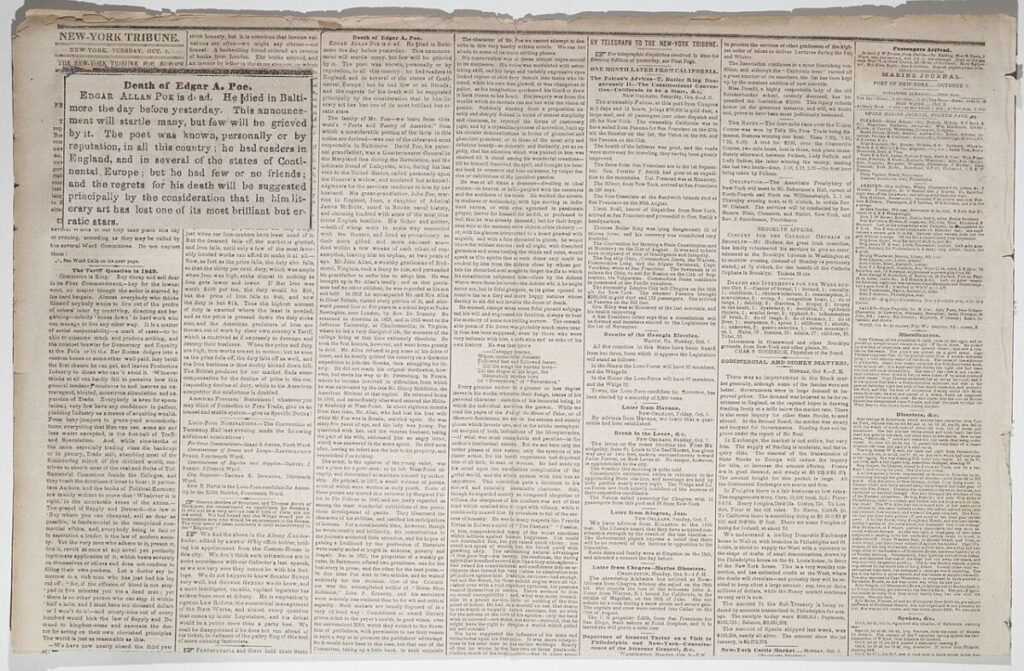
Rufus Wilmot Griswold was a sworn literary enemy of Poe. For whatever reason, Rufus hated Poe with all of his guts.
Shortly after Poe’s death, a certain “Ludwig” wrote an obituary in the New York Tribune, describing Poe as a lunatic who would walk the street “in madness or melancholy, with lips moving in indistinct curses, or with eyes upturned in passionate prayers.” Ludwig portrayed Poe as a depraved madman who was a drug addict and alcoholic.
While some initially believed Ludwig’s versions of events, especially given that Edgar was found unconscious in front of a tavern, the obituary was later revealed to be outright lies. Ludwig’s identity was revealed to be Rufus Griswold, who was known to envy Poe while at the same time having a strange obsession with him.
Related: Literature lovers will also be surprised to find out about these F. Scott Fitzgerald sights in Baltimore and the surrounding area. All of them are free to visit.
The Horse You Came In On Saloon’s Haunted Happenings
In any case, back to The Horse You Came In On Saloon! The tavern opened in 1972, but its predecessor, Al and Ann’s, previously operated on the site since 1775.
Its current name comes from the fact that the saloon used to have stables in the back for customers to “park” their horses while they drank. Its proximity to the dock meant that it attracted a lot of working folk, compared to the more upscale taverns located deeper in the city.

Being the oldest tavern in Maryland, it’s understandable that it carries with it the ghosts of centuries of American history.
The most well-known ghost of The Horse You Came In on is none other than Edgar Allan Poe himself, according to Baltimore Ghosts. Whether he had been drinking there before his death or was dumped at the saloon after his kidnappers had enough of him, “The Horse” was the last place Poe was before he was brought to the hospital and ultimately his deathbed.
Strange things happen at The Horse You Came In On. Some people have reported feeling a hand on their shoulder or someone pressing on them while passing by, despite turning around to find nobody there. Some staff members report seeing the cash register open by itself.
The saloon’s staff are unperturbed by these haunted happenings and regularly leave out a glass of cognac for Edgar Allan Poe’s ghost, only to find it empty later in the evening.
When a glass is not left out, it is said to attract Poe’s ire, and he will violently throw a glass on the floor. If you hear a glass shattering, watch where you step and know that Poe’s ghost might just be around.
There is even a seat reserved for Poe at the bar, with a sign titled “Poe’s Last Stop.” Don’t you dare sit in his seat, or it might be pulled from under you!
Tip: To learn more about Poe’s haunted legacy and spectral Baltimore beings and bogeymen, you can take a Baltimore ghost tour.
Related: Interested in haunted places? Did you know that Charles Dickens’s ghost supposedly haunts the Omni Parker House hotel in Boston?
Other Haunted Locations in Baltimore
The Horse You Came In On Saloon is far from the only haunted place in Baltimore. The Fells Point neighborhood, where “The Horse” is located, is full of lively bars and busy watering holes – and infested with ghosts.
Another haunted joint in Fells Point is Max’s Taphouse, which was, at certain points in time, a brothel and a slaughterhouse. Strangely enough, the ghost of a chicken is rumored to haunt the basement. The sight of a headless chicken strutting around has struck fear in many patrons.
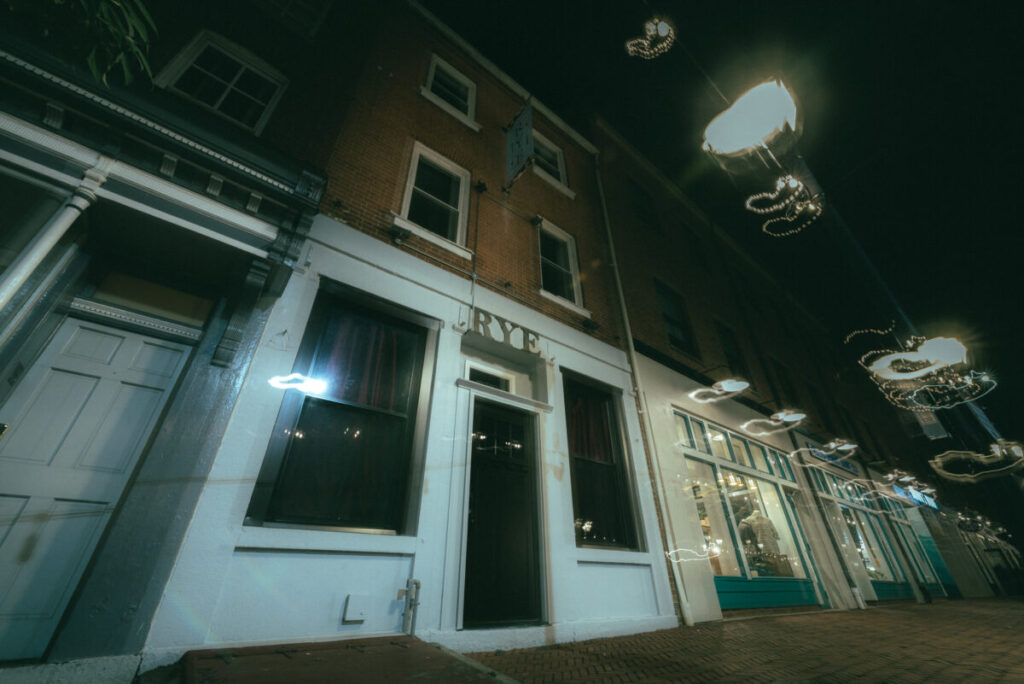
Another spooky watering hole in Fells Point is RYE, popular due to its decor and prohibition-era drinks. Although Rye only opened some years back, a bar operated at its first location, 807 Broadway, for quite a while. Originally called The Whistling Oyster, it was famous for its cocktails and creepy ghosts. A DJ reported seeing glasses being thrown from the shelves after hours.
The Whistling Oyster eventually closed, and the Green Cilantro opened. The owner couldn’t deal with the ghosts, though, and closed shop after just about a year. Later, The Rye opened, but for undisclosed reasons, this cocktail-only bar decided to move from its Broadway location, presumably to evade the spirits. Were they successful? Some believe that the specters simply followed them, enjoying the company of Rye’s regulars.
Related: If you’re into gothic writers, then check out my posts on how to visit the real Frankenstein Castle in Germany and the spooky House of Frankenstein in Bath.
So, what to do you think led to the demise of one of America’s most well-known writers?
Don’t forget to pin this post for later, and sign up for the monthly newsletter so you never miss out on literary travel tips or exclusive Read Around the World book recommendations.